Liberty in Our Lifetime: New Hampshire’s Wins Since 2009
Free State Project releases searchable database of 235 liberty wins, dating back to 2009.
By Hon. Eric Brakey, Executive Director, Free State Project
The Free State Project has released an expanded, searchable collection of 235 liberty wins in New Hampshire, from 2009 through 2026. From constitutional carry and school choice to tax relief and limits on government power, the database documents a growing record of freedom that Free Staters have contributed to.
Browse by year, search by keyword or bill number, or explore topics such as education, taxes, privacy, self-defense, housing, and business. Source links let you examine the laws and records behind the milestones.
What would change in your life if you moved somewhere liberty was gaining ground?
You could carry a firearm for self-defense without applying for a state license. Your family could find more ways to educate your children based on their own needs and your own values. You could keep more of the income you earn. And if you brought a professional license with you, there could be a clearer path to continuing your career.
These are some of the practical freedoms behind “Liberty in Our Lifetime.” Here are five milestones worth exploring.
2017: Constitutional Carry
In 2017, New Hampshire removed the license requirement for carrying a concealed pistol or revolver for people otherwise legally permitted to possess firearms.
For a liberty-minded person weighing a move, that is a substantial difference: exercising the right to carry for self-defense without first asking the state for a license.
It is also a reminder that freedoms can expand when people organize, persuade their neighbors, and persist.
2025–2026: Education Choice Expands
Education can be one of the most important considerations for a family choosing where to live.
In 2025, New Hampshire removed the household-income threshold for Education Freedom Accounts, opening eligibility across income levels. These accounts let participating families direct education funding toward approved schools, programs, and services that fit their children’s needs. Enrollment caps, priority rules, and other eligibility requirements still apply.
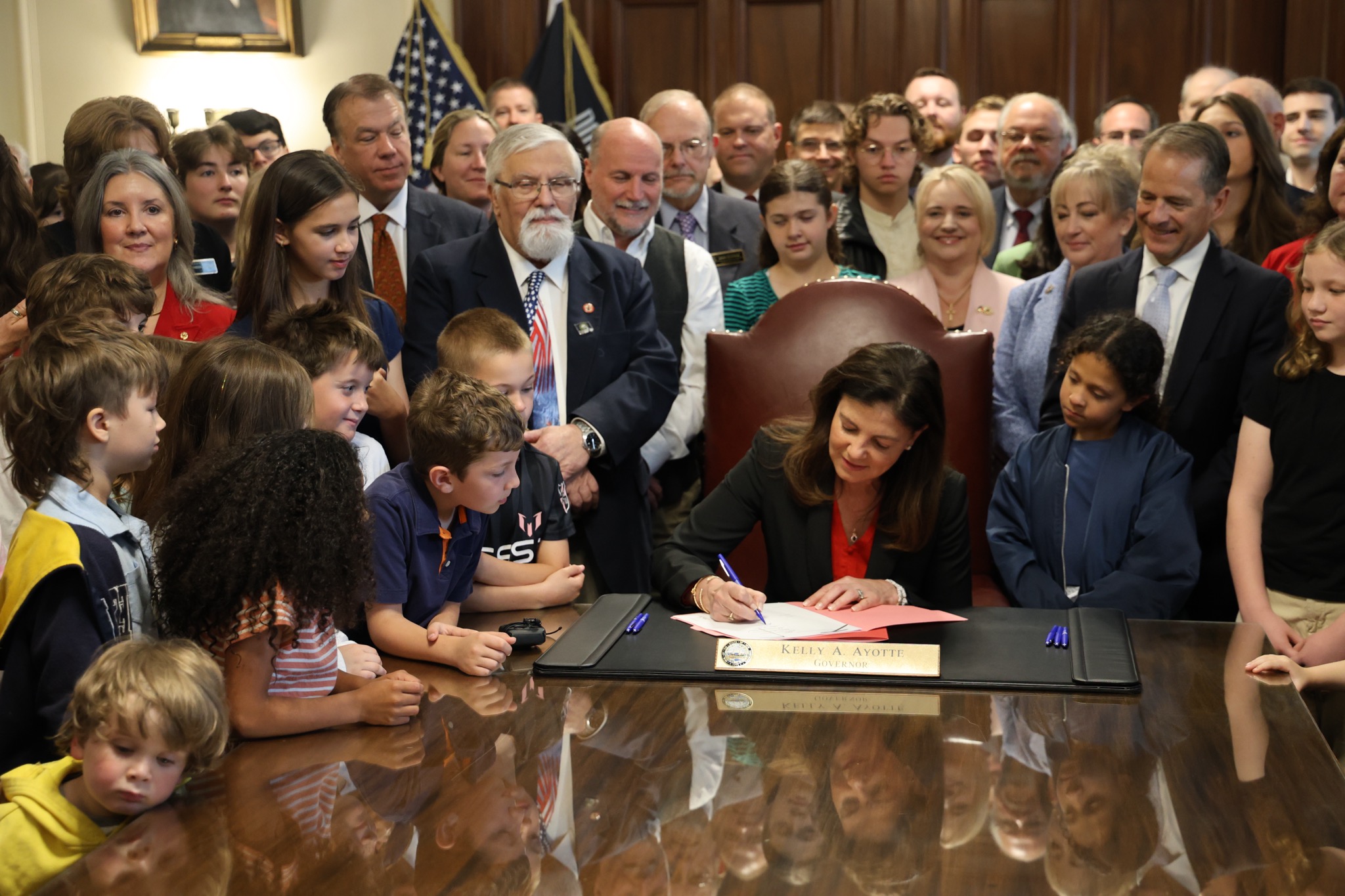
Homeschool freedom has advanced, too. A 2022 law affirmed that homeschool portfolios remain parents’ property and removed a fixed test-score benchmark. In 2026, the Home Education Freedom Act went further, repealing mandatory recordkeeping and evaluation requirements, limiting government regulation of home education, and strengthening families’ privacy protections. A declaration is required only when withdrawing from public school or accessing public school programs.
Together, these changes give families more room to shape an education around their children.
2025: The Interest and Dividends Tax Ends
New Hampshire repealed its Interest and Dividends Tax for tax periods beginning January 1, 2025.
For residents who previously owed the tax, that means keeping more of the income generated by savings and investments. It is a concrete victory for people building financial independence, saving for their families, or planning retirement.
A freer life includes more control over the resources you have worked to earn.
2023: Bring Your Professional Skills to New Hampshire
Moving should not mean leaving your career behind.
A 2023 law created a licensing pathway through New Hampshire’s Office of Professional Licensure and Certification for professionals with active licenses in good standing from other jurisdictions, when their licensing requirements are substantially similar to New Hampshire’s. Applicable background checks and professional rules remain.
For prospective movers in licensed professions, that reform addresses a practical question: can I bring my skills here and get back to work?
Reducing those barriers makes it easier for people to put down roots, serve customers, and build a life in the Free State.
2012: Jury Rights Affirmed—and the Fight for Nullification
Liberty also depends on limits to what government can do.
Jury nullification—the jury’s power to acquit despite the law and evidence—is one such check. In 2012, New Hampshire enacted a law requiring courts to let criminal defendants inform jurors of their right to judge the facts and the application of the law to those facts. The state Supreme Court later interpreted the law narrowly: it did not establish a right to argue nullification or require a specific nullification instruction. That history records a legislative milestone and unfinished work.
Help write the next chapter
These accomplishments belong to the Granite Staters, Free Staters, legislators, advocates, organizations, and allies who helped achieve them.
The Free State Project brings liberty-minded people to New Hampshire, where they can join that work. Participants choose their own ways to contribute, from civic involvement and advocacy to businesses and community institutions.
For prospective movers, the collection offers two questions worth exploring: which of these freedoms would improve your life—and which future victories would you like to help achieve?
Browse by year or topic, follow the source links, and discover the growing record behind “Liberty in Our Lifetime.”